
// Service
Industrial Electronics Modernization & Lifecycle Support
When critical electronics are obsolete or unsupported, we rebuild and modernize them for the next stage of their service life.
Overview
Industrial equipment often remains mechanically sound long after its control electronics become obsolete, undocumented, or unsupported. We analyze the original board to reconstruct its function, circuitry, interfaces, and firmware, enabling a compatible replacement without redesigning the entire machine.
Our process covers component identification, schematic extraction, PCB redesign, and firmware re-implementation. The new design preserves the required mechanical, electrical, and protocol interfaces while using currently sourceable components and qualified alternatives for easier long-term maintenance.
Beyond reconstruction, we improve on the original: removing obsolete parts and hardening the design for harsh industrial environments.
What's included
- Analysis and component identification of the original board, with schematic extraction
- PCB redesign with currently sourceable components and qualified alternatives
- Firmware re-implementation matching the original's behavior
- Design improvements: removing obsolete parts and boosting reliability
- Prototype build, functional testing, and production readiness
Areas of expertise
Need this for your project?
Tell us about your requirements and NELSco's engineering team will get back to you with a tailored proposal.
Related case studies
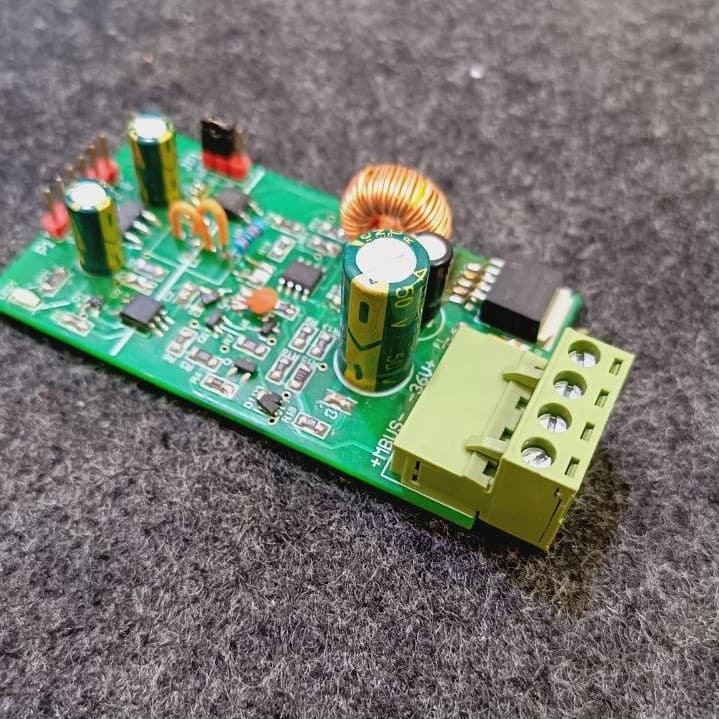
Isolated M-Bus to TTL Signal Converter for Smart Metering
A galvanically isolated interface board that converts M-Bus metering signals to UART/TTL for connecting water, gas, and electricity meters to IoT systems.
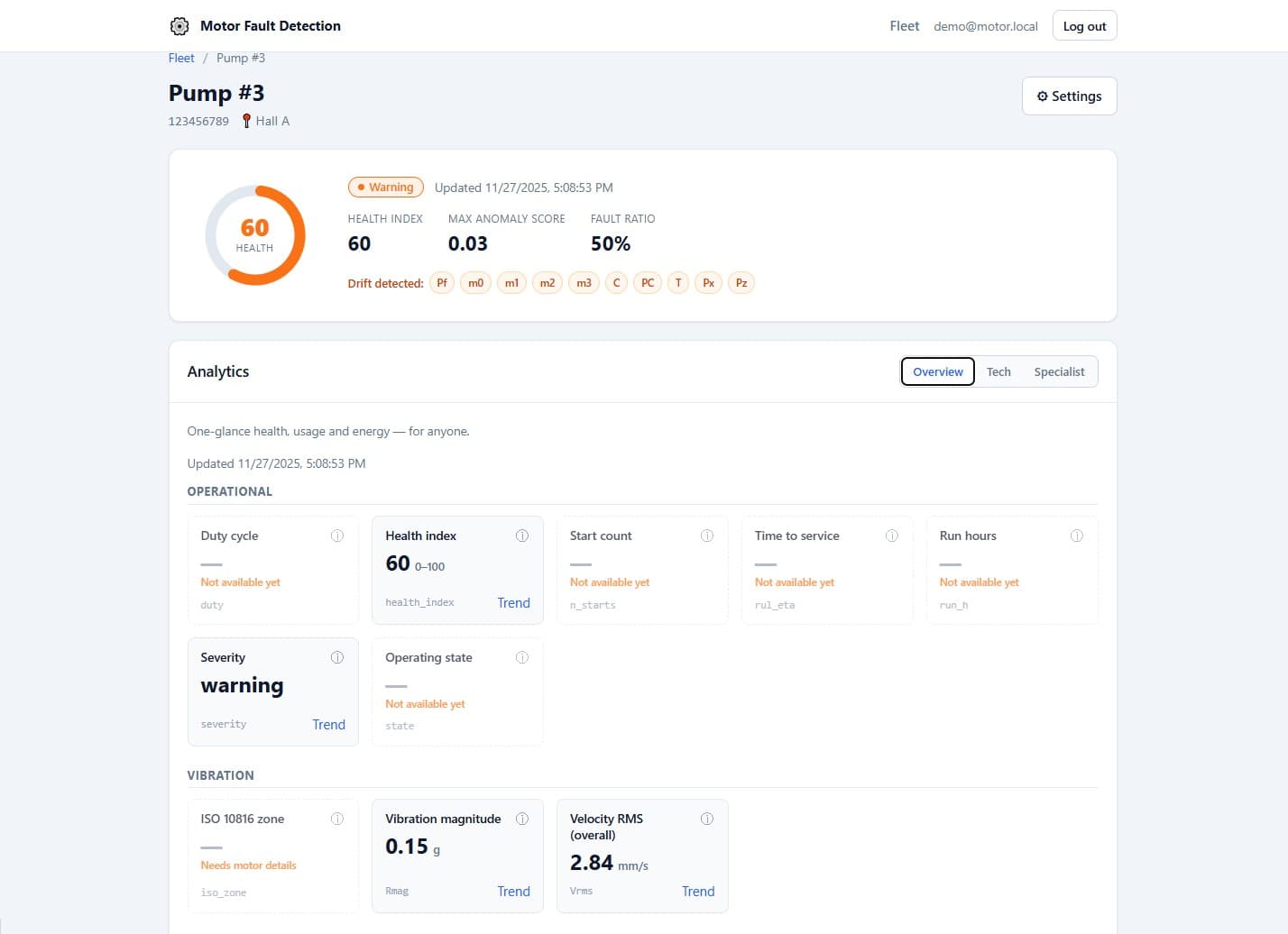
Equipment Monitoring with ESP32 and Anomaly Detection
An ESP32 machine-monitoring node paired with a server-side PyOD engine for real-time anomaly detection and diagnostic analysis.
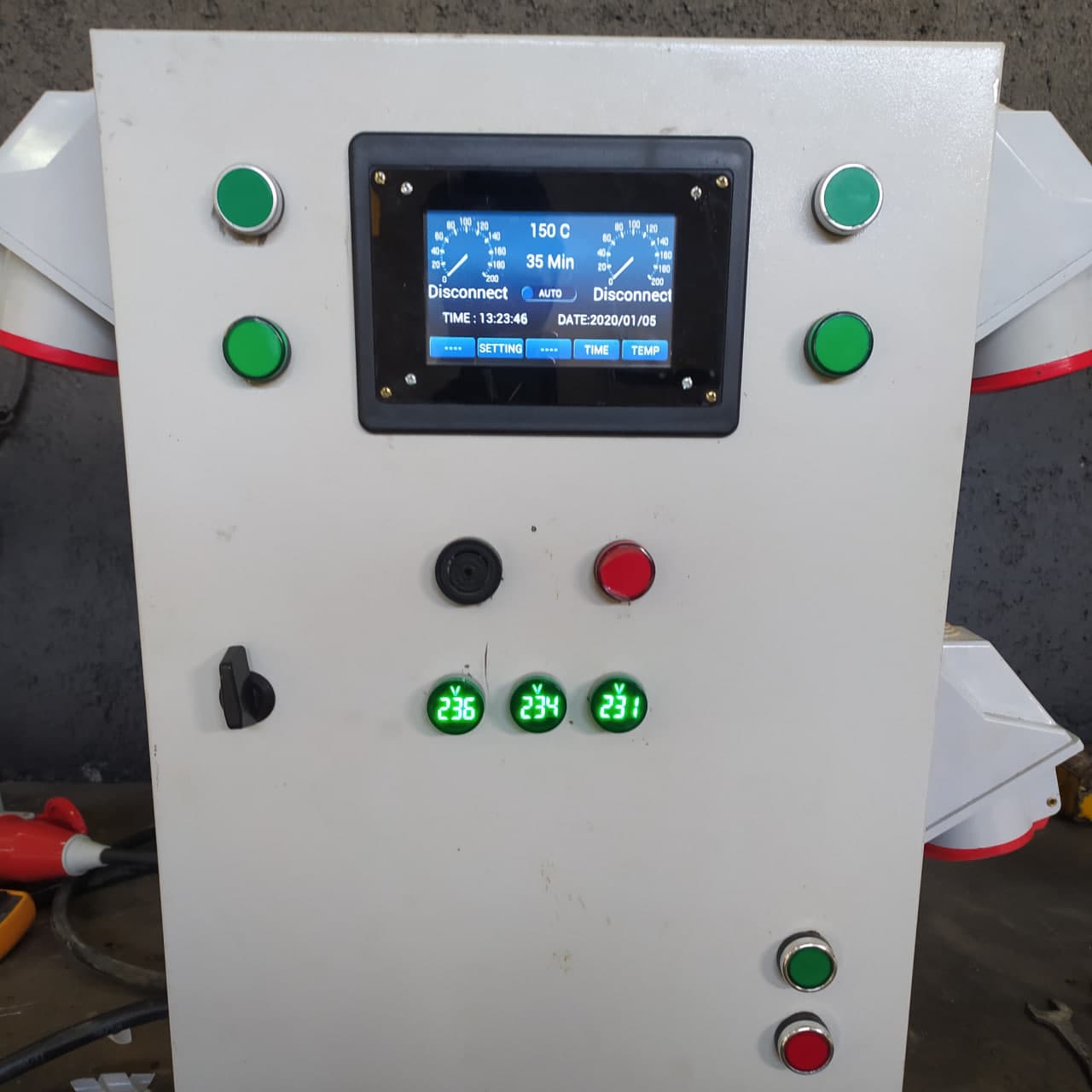
Smart Splice Watch — Conveyor Belt Vulcanization Controller
An STM32F4-based control and data-logging system for hot vulcanization of conveyor-belt splices, with two independent PID loops and a digital record for each process run.